By Marcus Holloway — Reviewed & Updated July 12, 2026
This site is independent and is NOT affiliated with, endorsed by, or sponsored by the U.S. Department of Veterans Affairs (VA) or any government agency. For official information, visit VA.gov.
The Care Option Many Families Never Hear About Until They Need It
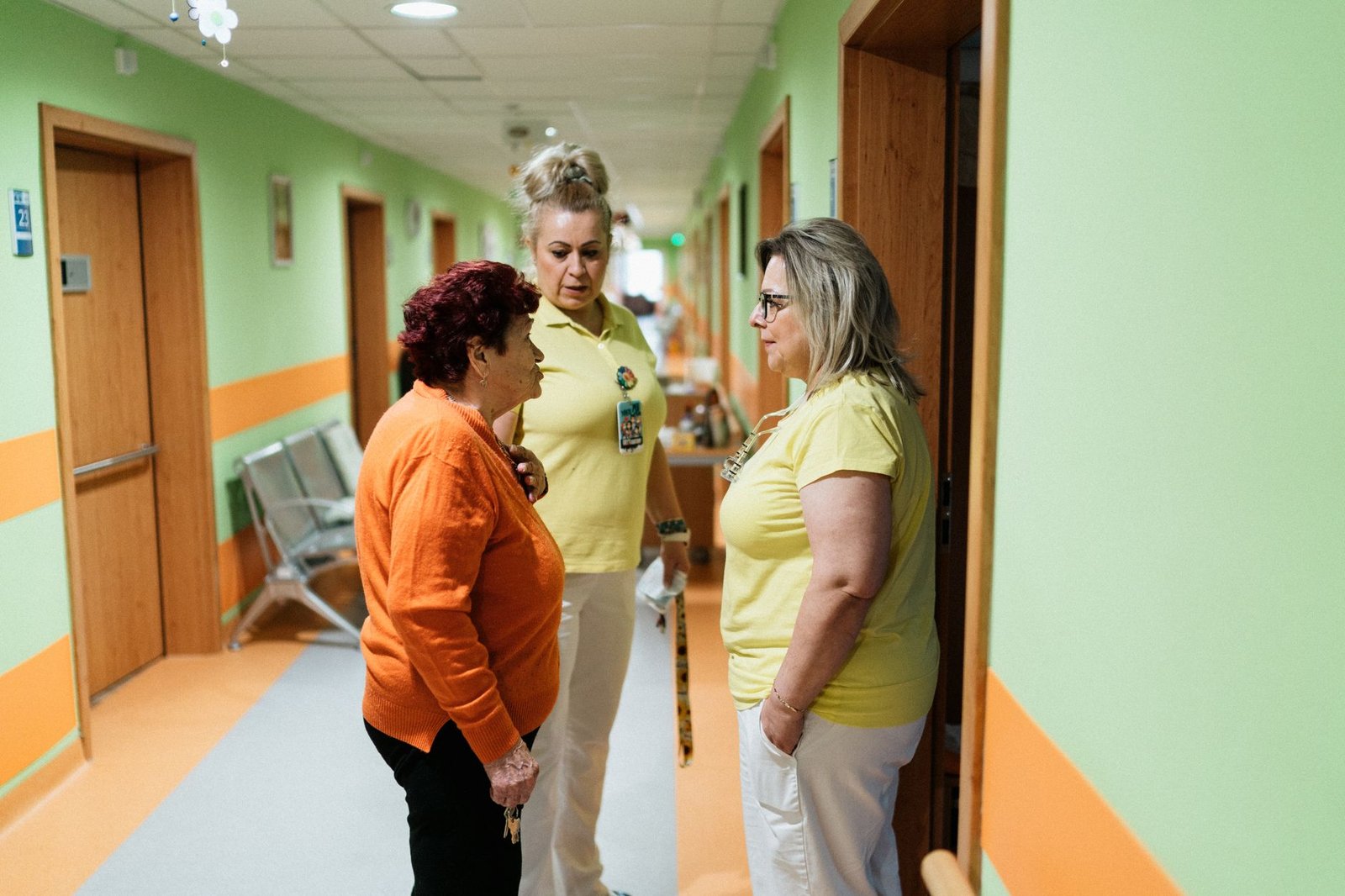
VA nursing home care for veterans is one of the most valuable — and least understood — benefits in the entire VA system. When a veteran is living with mesothelioma, there often comes a point when care at home is no longer enough: around-the-clock nursing, help with daily activities, rehabilitation after a hospital stay, or comfort-focused hospice care. Many families assume they will have to pay privately for a nursing facility, which can cost well over $100,000 a year. In reality, veterans with a service-connected mesothelioma diagnosis generally qualify for nursing home care that the VA pays for, in one of three settings: VA Community Living Centers, State Veterans Homes, and VA-contracted community nursing homes.
This guide walks through how each setting works, who qualifies, what it costs at different service-connection levels, the home-based alternatives the VA usually tries first, and exactly how to request placement. It is written for veterans and families dealing with mesothelioma and other asbestos-related illnesses, but the rules described here apply broadly.
Part 1: How VA Long-Term Care Works — The Big Picture
The VA’s long-term care programs sit inside its Geriatrics and Extended Care (GEC) office, which oversees everything from home health aides to full nursing home placement. The official overview lives on the VA Geriatrics and Extended Care page, and the plain-language summary of covered services is on the VA long-term care benefits page.
Two ideas shape how VA nursing home care for veterans actually works:
- Care level is a clinical decision. A VA provider and social worker assess whether a veteran needs nursing-home-level care — meaning 24-hour nursing supervision or substantial help with activities of daily living such as bathing, dressing, transferring, and eating.
- Who pays depends mostly on service connection. Veterans who need nursing home care for a service-connected condition, or who have a combined service-connected rating of 70% or higher, are generally entitled to VA-paid nursing home care. Veterans rated 100% for mesothelioma — which is the standard rating for active malignant mesothelioma under the VA schedule — clearly fall in this group.
For other veterans, VA nursing home care may still be available based on clinical need and space, but it can involve copays and is not guaranteed. That distinction — entitled versus space-available — is the single most important thing to understand about VA nursing home care for veterans and their families.
Part 2: Who Qualifies for VA Nursing Home Care
Under federal law (38 U.S.C. § 1710A, implemented in 38 CFR Part 17), the VA must provide VA nursing home care to veterans who need it when either of the following applies:
- The veteran needs nursing home care because of a service-connected condition — for example, service-connected mesothelioma linked to asbestos exposure during Navy or Army service; or
- The veteran has a combined service-connected disability rating of 70% or more, regardless of which condition creates the need for care.
A veteran whose mesothelioma is service connected typically meets both tests at once: active mesothelioma is rated 100%, and the cancer itself is usually the reason nursing-home-level care is needed. If your claim is still pending or you have not yet filed, it is worth reading how asbestos-related diseases are handled in VA claims, because establishing service connection is what unlocks fully paid long-term care.
Veterans who do not meet either test are not shut out. They may still receive VA nursing home placement based on clinical need, enrollment priority, and available resources — and their VA priority group as a cancer patient can affect how that plays out. The difference is that care becomes discretionary rather than an entitlement, and copays may apply.

Part 3: VA Community Living Centers (CLCs)
Community Living Centers are the VA’s own nursing homes — the setting most people picture when they hear about VA nursing home care for veterans. There are more than 100 of them nationwide, usually located on or near a VA medical center campus. The VA has deliberately redesigned many CLCs to feel less like hospitals and more like homes — private or semi-private rooms, shared kitchens and dining areas, activity programs, and visiting hours that accommodate families.
CLCs serve two broad kinds of stays:
Short-stay care
- Skilled nursing and rehabilitation after surgery, chemotherapy complications, or a hospital admission — often a few weeks, with the goal of returning home.
- Respite care, which gives a family caregiver a planned break. The VA generally covers up to 30 days of respite care per calendar year, and it can be provided in a CLC, at home, or in an adult day setting.
- Short-term hospice and palliative stays when symptoms need inpatient-level management.
Long-stay care
- Long-term nursing care for veterans who can no longer be safely cared for at home.
- Hospice care for veterans nearing the end of life. This matters enormously for mesothelioma families: CLC hospice units provide comfort-focused care, pain management, and support for the family, and the VA does not charge a copay for hospice care in any setting.
For veterans entitled to nursing home care (service-connected need or 70%+ rating), a CLC stay is paid by the VA. Availability varies by location, and some CLCs prioritize short-stay rehabilitation, so your VA social worker will tell you honestly what the local options look like.
Part 4: State Veterans Homes — State-Run, VA-Supported
State Veterans Homes are owned and operated by state governments, not the VA, but the VA inspects them and pays a daily amount — a per diem — toward each eligible veteran’s care. There are more than 150 of these homes across all 50 states, and for many families they are the closest option geographically.
Here is how the money typically works:
- Basic per diem: For most eligible veterans, the VA pays the state home a partial daily rate, and the veteran (or Medicaid, or long-term care insurance) covers the remainder under the state’s fee rules.
- Full-cost per diem: For veterans who need nursing home care for a service-connected condition, or who are rated 70% or higher, federal law directs the VA to pay a higher per diem intended to cover the full cost of care. In practice, a veteran with service-connected mesothelioma in a participating State Veterans Home should owe little or nothing out of pocket for the nursing care itself — though families should confirm in writing what, if anything, the home still charges.
- Medicaid interaction: Veterans receiving the full-cost VA per diem generally do not need Medicaid for the nursing home bill. Veterans on the basic per diem sometimes use Medicaid to cover the balance, which involves state income and asset rules. A VA social worker or the home’s admissions office can explain how the two programs interact in your state.
Each state sets its own admission rules — some admit spouses and Gold Star parents, some have residency requirements, and waiting lists are common. The VA maintains a directory of State Veterans Homes through its Geriatrics and Extended Care program.
Part 5: Community Nursing Homes Under VA Contract
The third setting for VA nursing home care for veterans is a regular private or nonprofit nursing home in your community that holds a contract with the VA. The VA’s Community Nursing Home program exists so that veterans can receive nursing home care close to family even when there is no CLC or State Veterans Home nearby.
Key points about contracted community nursing homes:
- The VA screens and contracts with specific facilities, and VA staff continue to monitor the veteran’s care after placement.
- For entitled veterans — again, service-connected need or a 70%+ rating — the VA pays the contracted facility directly. Mesothelioma patients rated 100% typically fit here.
- For other veterans, the VA may cover a limited period (often tied to transitioning from a VA hospital stay) with longer coverage depending on resources and local policy.
Families sometimes worry that a “contract” home is second-tier care. It is simply the same community facility other residents use, with the VA paying the bill and keeping oversight. When comparing a specific facility, you can review its federal quality ratings on Medicare’s Care Compare tool, which covers most licensed nursing homes in the country.
Part 6: What VA Nursing Home Care for Veterans Costs — Copays by Service-Connection Level
The cost of VA nursing home care for veterans depends on why care is needed and how the veteran is rated:
- Service-connected need, or 70%+ combined rating: No VA copay for nursing home care. This covers virtually all veterans with service-connected mesothelioma.
- Catastrophically disabled veterans: Exempt from long-term care copays by law.
- Hospice care: Never carries a VA copay, in any setting.
- Other veterans receiving VA-provided long-term care: A daily long-term care copay may apply after the first 21 days of care in a 12-month period, based on a financial assessment of income and expenses. As of 2026, inpatient long-term care copays can run up to roughly $97 per day, but the amount is individually calculated and many veterans pay far less or nothing. Always check the current figures on the official VA copay rates page rather than relying on any article’s numbers.
Two related financial notes for mesothelioma families. First, veterans who need regular aid and attendance may also qualify for higher monthly compensation — see our guide to special monthly compensation for mesothelioma — and that money continues while the veteran is in a nursing home, though SMC based on aid and attendance can be adjusted when the VA is already paying for institutional care, so ask your social worker how your specific payments interact. Second, veterans enrolled in both systems should understand how Medicare and VA benefits work together for mesothelioma care, because Medicare’s short skilled-nursing benefit and the VA’s long-term care programs cover different things and can complement each other.
Part 7: Home-Based Alternatives the VA Usually Offers First
The VA’s stated philosophy is to care for veterans in the least restrictive setting they choose — usually home — for as long as it is safe. Before or instead of nursing home placement, a VA care team can arrange:
- Skilled home health care: Nurses, physical therapists, and other clinicians visiting the home, often crucial after mesothelioma surgery or during treatment.
- Homemaker and Home Health Aide services: Trained aides who help with bathing, dressing, meals, and daily tasks — several visits a week is common.
- Home-Based Primary Care: A VA medical team that brings routine primary care to veterans too ill to travel to a clinic.
- Veteran-Directed Care: A flexible monthly budget the veteran manages to hire caregivers — including, in many cases, family members.
- Respite care: Up to 30 days a year of substitute care so a spouse or adult child can rest.
- Home hospice: Comfort-focused end-of-life care at home, coordinated by the VA and usually delivered through a community hospice agency, with no copay.
For many mesothelioma families, the realistic path is a sequence: home care with aide support during treatment, respite stays when caregivers need relief, and a CLC or State Veterans Home — or home hospice — when needs grow beyond what the household can manage. There is no shame in any point on that path. Asking for a higher level of care is a decision made for the veteran, not against them.
Part 8: How to Request Placement, Step by Step
- Start with the VA social worker. Every VA medical center and most clinics have social workers; the veteran’s oncology or primary care team can make the referral, or you can ask for one directly. If the veteran is hospitalized, ask to speak with the social worker before discharge — that is often the fastest route into short-stay CLC care.
- Complete the clinical and enrollment review. The care team documents the medical need for nursing-home-level care, and staff verify enrollment, service-connected status, and rating. Veterans not yet enrolled in VA health care can apply online at VA.gov or by phone at 877-222-8387.
- Discuss all three settings. Ask specifically about the local CLC, nearby State Veterans Homes, and contracted community nursing homes — including waiting lists, distance from family, and what the veteran would owe in each.
- Confirm costs in writing. For a service-connected mesothelioma patient, the expectation is no copay for VA-paid nursing home care; get that confirmed for the specific facility.
- Involve a VSO if anything stalls. An accredited Veterans Service Officer can help push a pending rating decision, request expedited handling for a terminal illness, and untangle paperwork at no charge.
If the veteran’s asbestos disease is not yet service connected, that claim should move in parallel — mesothelioma claims can be expedited for seriously ill veterans, and the PACT Act has broadened how the VA handles toxic-exposure claims generally.
Frequently Asked Questions
Does a 100% rating for mesothelioma guarantee a nursing home bed?
It creates an entitlement to VA nursing home care for veterans who clinically need it, but it does not guarantee a bed at a particular facility on a particular date. Local CLC capacity and State Veterans Home waiting lists still matter, which is why the VA also contracts with community nursing homes to meet its obligation.
Will the veteran’s VA disability compensation stop in a nursing home?
No. Monthly disability compensation continues while a veteran lives in a nursing home. Certain aid-and-attendance amounts can be adjusted when the VA is paying for the institutional care itself, so ask your social worker how your payments will be handled before admission.
Can my spouse live in a State Veterans Home with me?
In some states, yes — a number of State Veterans Homes admit spouses, and some admit Gold Star parents. Admission rules, costs for non-veteran residents, and waiting lists vary by state, so contact the specific home.
What is the difference between respite care and long-stay care?
Respite care is a short, planned stay — generally up to 30 days per year — designed to give the family caregiver a break, after which the veteran returns home. Long-stay care is ongoing residence when returning home is no longer safe or practical.
Is hospice inside a CLC really free?
The VA does not charge copays for hospice care, whether it is provided in a Community Living Center, at home, or through a community hospice under VA authorization. Room-and-board arrangements in non-VA facilities can vary, so confirm details for any specific placement.
Does the VA pay for assisted living?
Generally no. The VA does not pay for room and board in assisted living facilities, though it can provide health services to veterans who live in them, and pension-related benefits may help some veterans with assisted living costs. Nursing home care — a higher level of care — is what the programs in this article cover.
What if the veteran was exposed to asbestos in service but never filed a claim?
File now, and tell the VA the veteran is terminally ill so the claim can be prioritized. Service connection is what converts nursing home care from a space-available possibility into a paid entitlement, and survivors’ benefits also depend on it. Learn more about diagnoses like mesothelioma on the National Cancer Institute’s mesothelioma page.
Resources
- VA Geriatrics and Extended Care — program overviews, including CLCs, State Veterans Homes, and community nursing homes.
- VA long-term care benefits — plain-language summary of covered services.
- VA copay rates — current long-term care copay amounts.
- VA facility locator — find your nearest VA medical center and CLC.
- Medicare Care Compare — quality ratings for community nursing homes.
- The PACT Act — toxic-exposure claim changes.
- Find a VSO: Use the VA’s accreditation search at va.gov/ogc/apps/accreditation, or contact your county veterans service office or organizations such as the DAV, VFW, or American Legion. VSO help is free.
Final Thoughts: Care Earned Through Service, Not Charity
Choosing nursing home care for a husband, wife, father, or mother is one of the hardest decisions a family makes, and mesothelioma often forces it faster than anyone expects. It helps to remember what this benefit actually is: not charity, and not a last resort, but care the veteran earned. For service-connected veterans, VA nursing home care for veterans exists precisely so that the cost of a facility never has to be the reason a family goes without the help it needs. Talk to the VA social worker early, ask about all three settings, use respite care before caregivers burn out, and let the system do what it was built to do. You do not have to navigate this alone, and you do not have to pay for what has already been earned.
Medical disclaimer: This article is for informational purposes only and is not medical advice, diagnosis, or treatment. Consult a licensed physician or your VA care team about your specific situation.
Legal disclaimer: This article is for general information only and is not legal advice. It does not create an attorney-client relationship. Consult a VA-accredited attorney, claims agent, or a Veterans Service Officer (VSO) about your specific claim.