
By Sarah Bennett — Reviewed & Updated July 12, 2026
This site is independent and is NOT affiliated with, endorsed by, or sponsored by the U.S. Department of Veterans Affairs (VA) or any government agency. For official information, visit VA.gov.
The Raise Many Veterans Never Claim
Adding dependents to VA disability compensation is one of the simplest ways for a rated veteran to increase their monthly payment — and it is surprisingly easy to overlook. If your combined disability rating is 30 percent or higher, the VA pays you an additional amount each month for an eligible spouse, for each qualifying child, and even for a parent who depends on you financially. The higher your rating, the larger those add-ons become, which is why this matters so much for veterans with mesothelioma or other asbestos-related cancers, who are very often rated at 100 percent.
Yet many veterans receive a rating decision, see a monthly amount, and assume that is simply what the VA pays. They never realize the number on the award letter may reflect a “veteran alone” rate — and that a one-page update could mean more money every month, sometimes with months of retroactive pay. This guide walks through who counts as a dependent, how the extra compensation works, which forms to file, and how to keep your records current so you never face an overpayment letter.
Part 1: How Dependent Compensation Works
VA disability compensation is a tax-free monthly payment based on your combined disability rating, from 10 to 100 percent. Under federal law (38 U.S.C. § 1115), veterans rated 30 percent or higher receive additional compensation for qualifying dependents. The add-on is not a separate benefit or a separate check — once you add dependents to your VA disability award, the extra amount is built into your regular monthly compensation payment.
The amounts are set by Congress and adjusted most years with a cost-of-living increase. Rather than quote figures that will change, know the pattern: the dependent add-ons scale up with your rating. As of 2026, a veteran rated 100 percent receives substantially more per dependent than a veteran rated 30 percent for the same spouse or child. You can see the current figures for every rating level and family situation on the official VA disability compensation rates page.
For a mesothelioma veteran at 100 percent with a spouse and a child, the dependent portion alone can amount to thousands of dollars per year. That is money the law says you are entitled to — but the VA can only pay it if you tell them your dependents exist and provide the details they need to verify the relationship.
Part 2: Who Counts as a Dependent
Before adding dependents to VA disability compensation, it helps to know exactly who qualifies. The VA recognizes several categories:
- Your spouse. A legally married husband or wife, including same-sex spouses and, in many cases, common-law marriages recognized by your state.
- Children under 18. Biological children, adopted children, and stepchildren who are members of your household.
- Children 18 to 23 attending school. A child who has turned 18 can remain a dependent while enrolled in an approved school, college, or training program, up to age 23. This requires a separate form (VA Form 21-674, discussed below).
- A “helpless child” of any age. An adult child who became permanently incapable of self-support before turning 18 — because of a serious disability, for example — can remain a dependent for life. The VA requires medical evidence showing the incapacity began before age 18.
- Dependent parents. A mother or father (including adoptive and, in some cases, foster parents) whose income and net worth fall below limits the VA sets, meaning they rely on you financially. Parents are claimed with VA Form 21P-509, Statement of Dependency of Parent(s).
Each category has its own documentation: a marriage certificate or the details of the marriage for a spouse, birth certificates or Social Security numbers for children, school enrollment details for students, and income information for parents. In most cases the VA no longer requires you to mail paper certificates — providing accurate dates, places, and Social Security numbers on the form is usually enough, though the VA can request documents if something needs verification.
Part 3: Why This Matters Most at 100 Percent
Adding dependents to a VA disability award pays off at every rating level, but the amounts are modest at 30 or 40 percent and grow steadily with the rating. At 100 percent — the rating most veterans with service-connected mesothelioma receive — the add-ons reach their maximum. For families already navigating asbestos-related cancer, the difference is meaningful and immediate.
Veterans pursuing a claim for mesothelioma or another asbestos disease should treat dependency paperwork as part of the claim itself, not an afterthought. If you are still assembling your case, our guides on asbestos-related diseases and VA claims and documenting asbestos exposure for a VA claim explain how the underlying disability claim works. Once that claim is granted at 30 percent or higher, your dependents unlock the additional compensation described here.
It is also worth knowing that dependent add-ons stack with other increases. A veteran who qualifies for higher levels of special monthly compensation for mesothelioma still receives dependent amounts on top. The two systems work together, not instead of each other.
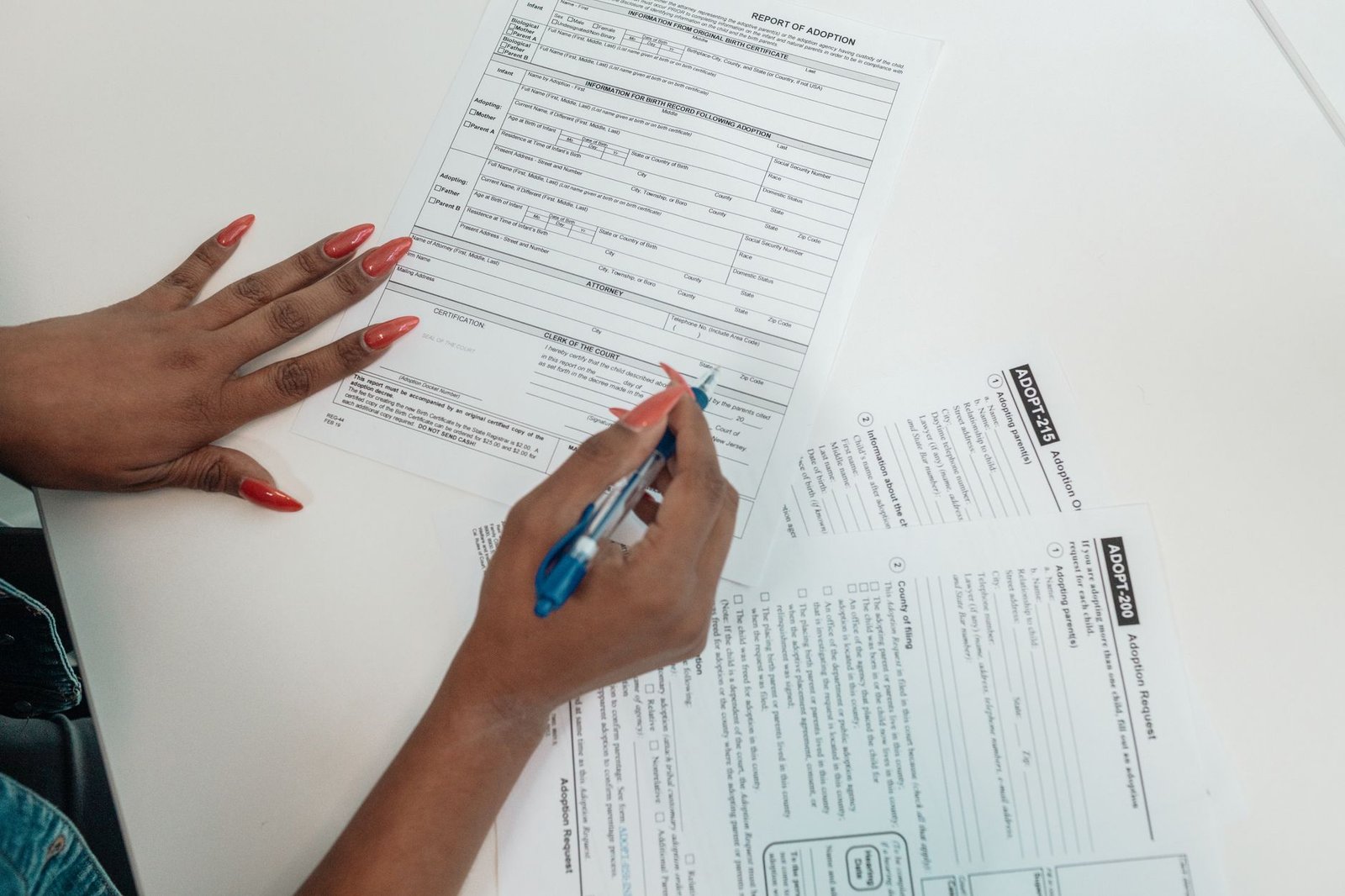
Part 4: How to Add Dependents to Your VA Disability Award
There are two main paths for adding dependents to your VA disability compensation, and the online option is genuinely the faster one for most families.
Online through VA.gov
Sign in at VA.gov’s “View or change dependents” page with a verified Login.gov or ID.me account. You can see which dependents the VA currently has on file — always worth checking — and submit a request to add or remove dependents electronically. Straightforward cases, such as adding a spouse or a minor child to a VA disability award with complete information, are often processed automatically by the VA’s rules-based system, sometimes within days.
By paper form
The core form is VA Form 21-686c, Application Request to Add and/or Remove Dependents. It covers marriages, divorces, births, adoptions, stepchildren, and removals. Two companions matter in specific situations:
- VA Form 21-674, Request for Approval of School Attendance — required to keep a child on your award between ages 18 and 23 while they attend an approved school. File it around the time the child turns 18 and update it if their enrollment changes.
- VA Form 21P-509 — used to establish a dependent parent, with details of the parent’s income and assets.
Whichever route you use, double-check names, dates, and Social Security numbers. The most common cause of delay is a mismatch between what you submit and what other records show. If filling out forms is difficult right now — entirely understandable during cancer treatment — a Veterans Service Officer can complete and submit them with you at no charge.
Part 5: Effective Dates and Retroactive Pay
When it comes to adding dependents, VA disability effective-date rules (found at 38 CFR § 3.401) are generous if you act within a year, and unforgiving if you wait longer:
- New rating decision: If the VA grants you a rating of 30 percent or higher and you submit your dependency information within one year of that decision, the dependent add-on is paid back to the effective date of the rating itself. For a mesothelioma claim with months of processing time, that retroactive amount can be substantial.
- Marriage, birth, or adoption: If you are already rated 30 percent or higher and you notify the VA within one year of the event, payment for the new dependent is effective from the date of the event.
- Late notice: If you wait more than a year, the add-on generally begins from the date the VA receives your request — the earlier months are simply lost.
The practical rule is simple: report every family change within a year, and ideally right away. If a veteran passes away while a dependency adjustment or claim is still pending, the family may still be able to collect what was owed — our article on accrued benefits and substitution in mesothelioma cases explains how that works.
Part 6: Aid and Attendance for a Spouse Who Needs Care
Here is an add-on inside the add-on that many families miss when adding a spouse as a dependent on a VA disability award. A veteran rated 30 percent or higher can receive an additional monthly amount if their spouse is so disabled that they need the regular aid and attendance of another person — help with bathing, dressing, eating, medication, or protection from hazards — or if the spouse is a patient in a nursing home.
This is separate from the aid-and-attendance benefits a veteran may receive for their own care needs. The spouse’s condition is documented, typically with VA Form 21-2680 (Examination for Housebound Status or Permanent Need for Regular Aid and Attendance) completed by a physician. In households where the veteran has mesothelioma and the spouse also has serious health problems, this benefit recognizes that the family’s care needs run in both directions. As of 2026, the spouse aid-and-attendance amount at the 100 percent rating level is listed alongside the other figures on the official VA rates page.

Part 7: Keeping Your Dependency Records Current
Adding dependents to VA disability is only half of the responsibility — removing them on time is the other half, and it protects you from real financial harm. The VA pays based on the family information in its records. When that information becomes outdated, the VA keeps paying at the old rate, and every extra dollar becomes an overpayment you must repay.
Notify the VA promptly when any of these happen:
- Divorce or annulment — your former spouse comes off the award as of the divorce.
- Death of a spouse, child, or dependent parent.
- A child turns 18 and is not enrolled in an approved school (the VA removes many of these automatically, but do not rely on that).
- A student child leaves school, drops below the required enrollment, marries, or turns 23.
- A dependent parent’s income rises above the VA’s limit.
If you miss a change, the VA eventually catches it — often through data matching — and sends a debt letter from the VA Debt Management Center, sometimes for thousands of dollars, followed by withholding from your monthly compensation until the balance is repaid. Waivers and repayment plans exist, but the far better path is a five-minute update on VA.gov or a quick 21-686c whenever your family situation changes. Checking your listed dependents once a year, perhaps when the annual cost-of-living adjustment appears in December payments, is a good habit.
Part 8: Dependents and Survivor Benefits — A Brief Look Ahead
Dependency records matter beyond your own compensation. If a veteran dies of a service-connected condition such as mesothelioma, the surviving spouse, dependent children, and in some cases dependent parents may qualify for Dependency and Indemnity Compensation (DIC) — a separate tax-free monthly benefit paid to survivors, claimed with VA Form 21P-534EZ.
DIC has its own eligibility rules, and survivors must file their own claim; being listed as a dependent on the veteran’s award does not automatically start DIC. But accurate, up-to-date dependency records make the survivor’s claim smoother, because the marriage and family relationships are already verified in VA systems. Keeping your dependents current is, in a quiet way, part of taking care of your family’s future. Families coordinating multiple benefit streams may also want to read how SSDI and VA disability work together for mesothelioma patients, since Social Security has its own family and survivor benefits with separate rules.
Frequently Asked Questions
Do I get extra money for dependents at a 10 or 20 percent rating?
No. Dependent add-ons begin at a combined rating of 30 percent. At 10 or 20 percent, your compensation is the same whether you are single or have a large family. If your rating later increases to 30 percent or more, add your dependents to the VA disability award within a year of that decision to receive the add-on back to the rating’s effective date.
How long does adding a dependent to VA disability take?
Online requests with complete information for a spouse or minor child are often processed automatically, sometimes within days. Paper forms, school-attendance approvals, helpless-child determinations, and dependent-parent claims take longer because a person must review them — commonly weeks to a few months. Retroactive pay covers the gap when you filed on time.
Do I need to send marriage or birth certificates?
Usually not. The VA generally accepts the dates, places, and Social Security numbers you provide on VA Form 21-686c or online, and verifies them against federal records. Keep the documents handy in case the VA asks, which occasionally happens with common-law marriages, foreign marriages, or name discrepancies.
My adult child is disabled. Can they stay on my award past 23?
Possibly, as a “helpless child” — but only if the permanent incapacity for self-support began before the child turned 18. You will need medical evidence of when the condition began and how it prevents self-support. If approved, the child remains a dependent indefinitely and may later qualify for DIC as a survivor.
What happens if I forget to remove my ex-spouse after a divorce?
The VA will keep paying the spouse add-on until it learns of the divorce, then bill you for every month of overpayment. Report the divorce as soon as it is final — online or with a 21-686c — and the adjustment takes effect from the divorce date with little or no debt.
Does adding a dependent change my VA disability rating?
No. Your rating is based solely on your service-connected conditions. Dependents change only the dollar amount of your monthly payment, never the percentage, and adding them does not trigger any review of your medical rating.
Can a Veterans Service Officer help with dependency paperwork?
Yes, and at no cost. Accredited VSOs handle dependency forms routinely and can also check what the VA currently has on file for you. Use the VA’s accreditation search to find one near you.
Resources
- VA.gov — View or Change Dependents on Your Disability Benefits
- VA Disability Compensation Rates (current-year tables, including dependent amounts)
- VA Form 21-686c — Add or Remove Dependents
- VA Form 21-674 — Approval of School Attendance
- VA — Dependency and Indemnity Compensation (DIC) for survivors
- 38 CFR Part 3 — Adjudication regulations, including dependency effective dates
- Find a VSO: Search the VA Office of General Counsel accreditation directory, or contact your county veterans service office. VSO help is always free.
Final Thoughts: Your Family Counts — Make Sure the VA Counts Them
You earned your compensation through service, and the law recognizes that a disability affects your whole household, not just you. Adding dependents to VA disability is not asking for extra — it is claiming the full amount Congress already set aside for a veteran with your rating and your family. The process is genuinely manageable: a login, a form, a few dates and numbers. Do it within a year of your rating decision or family change, keep the records current as life changes, and the system will pay what it owes — month after month, and back pay included. For a family facing mesothelioma, every one of those dollars belongs at home with you.
Medical disclaimer: This article is for informational purposes only and is not medical advice, diagnosis, or treatment. Consult a licensed physician or your VA care team about your specific situation.
Legal disclaimer: This article is for general information only and is not legal advice. It does not create an attorney-client relationship. Consult a VA-accredited attorney, claims agent, or a Veterans Service Officer (VSO) about your specific claim.