By Sarah Bennett — Reviewed & Updated July 12, 2026
This site is independent and is NOT affiliated with, endorsed by, or sponsored by the U.S. Department of Veterans Affairs (VA) or any government agency. For official information, visit VA.gov.
The Benefit Many Families Discover Too Late
VA home modification grants exist for a simple reason: when a serious illness changes how your body works, your home has to change with it. For a veteran living with mesothelioma, a flight of stairs can become a wall, a standard bathtub can become a hazard, and a narrow hallway can block the oxygen concentrator that now travels everywhere with you. The VA runs three main programs that pay for these changes — the HISA benefit (Home Improvements and Structural Alterations), the SAH grant (Specially Adapted Housing), and the SHA grant (Special Home Adaptation) — plus a smaller option called TRA for veterans staying in a family member’s home. Many families never hear about any of them until a hospital discharge planner mentions a ramp.
This guide walks through each program in plain English: what it covers, who realistically qualifies, which form to file, and how to combine home changes with the VA’s oxygen equipment and home-health services. Because this is a mesothelioma-focused site, we will be honest where the fit is imperfect — SAH and SHA were written for very specific severe disabilities, and a mesothelioma diagnosis by itself does not automatically qualify. HISA, on the other hand, is within reach for most veterans enrolled in VA health care.
Part 1: An Overview of VA Home Modification Grants
VA home modification grants come from two different parts of the agency, and understanding that split saves a lot of confusion.
- HISA (Home Improvements and Structural Alterations) is a medical benefit. It is run through the Veterans Health Administration and your VA care team, and it pays for medically necessary improvements — ramps, roll-in showers, widened doorways, lowered counters — in a home you own or rent. It is available for service-connected conditions and, at a lower amount, for some non-service-connected conditions.
- SAH and SHA grants are housing benefits authorized by 38 U.S.C. § 2101 and run through the Veterans Benefits Administration. They are much larger, but they are reserved for veterans with specific, severe service-connected disabilities — mostly involving loss or loss of use of limbs, blindness, or certain burn and respiratory injuries.
- TRA (Temporary Residence Adaptation) is a smaller companion grant for SAH/SHA-eligible veterans who are temporarily living in a family member’s home that needs adapting.
The official starting point for the larger grants is the VA’s Disability Housing Grants for Veterans page, and the HISA benefit is described on the VA Prosthetic and Sensory Aids Service HISA page. Everything in this article ultimately points back to those two sources.
Part 2: How Mesothelioma Changes What a Home Needs to Do
Before the forms, it helps to name the practical problem. Pleural mesothelioma and its treatment — surgery, chemotherapy, radiation — commonly cause breathlessness, deep fatigue, and reduced mobility. Those symptoms translate into very concrete home needs:
- Stairs become the enemy of breath. A bedroom or the only full bathroom on the second floor may mean climbing that leaves a veteran gasping. Solutions range from a first-floor bedroom conversion to stair rails, and in some cases relocating laundry or bathing facilities downstairs.
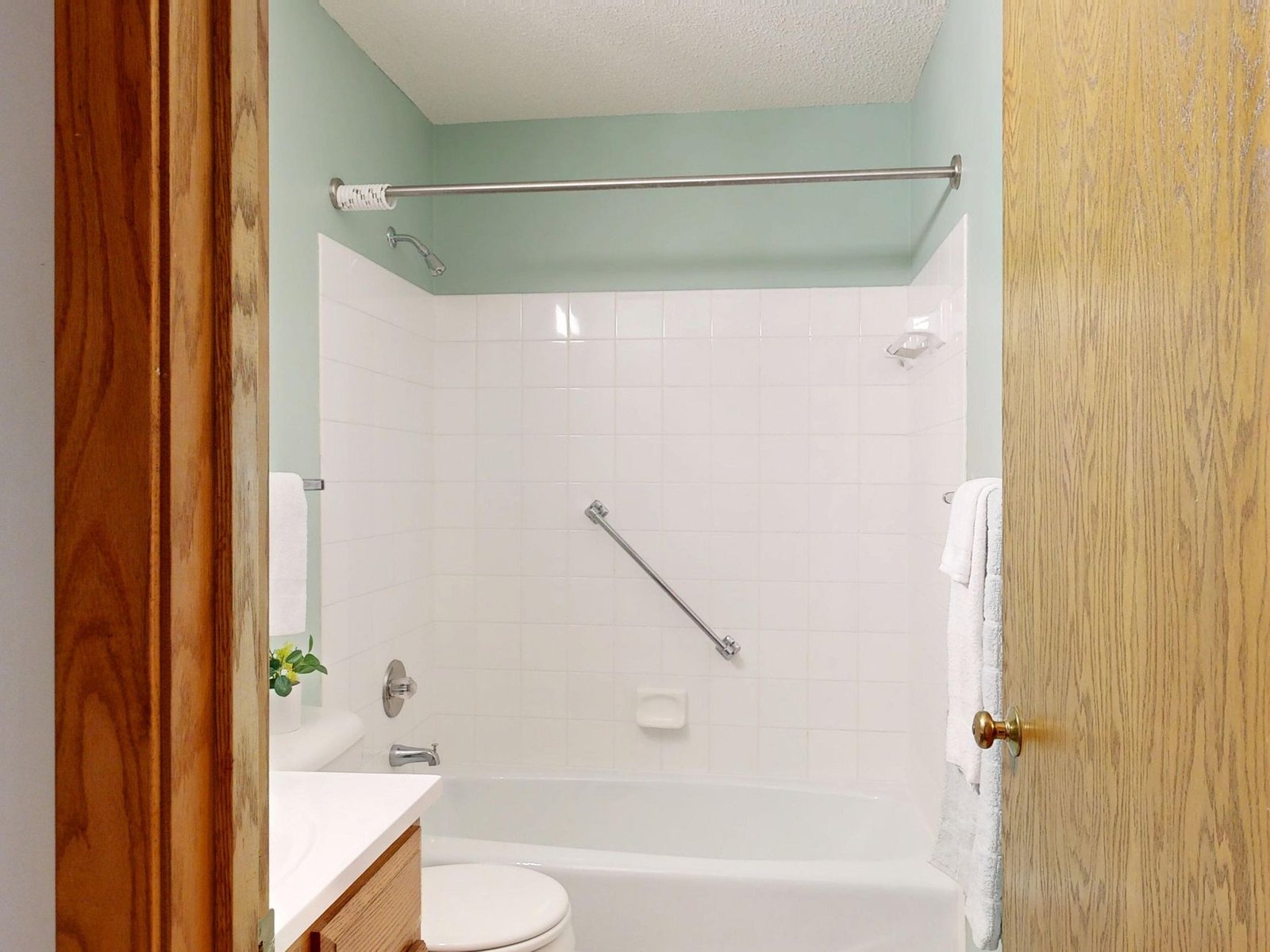
- Bathrooms become fall zones. Fatigue plus a slick tub is the most common source of injury. Walk-in or roll-in showers, grab bars, raised toilets, and non-slip flooring are classic HISA projects.
- Oxygen equipment needs room to move. A concentrator with 25–50 feet of tubing, or a portable unit on a cart, needs wider doorways, level thresholds, and safe electrical capacity. Trip hazards along the tubing route matter more than most contractors realize.
- Entrances need to work on the worst day. A ramp or zero-step entry is not just for wheelchairs; it is for the day a veteran comes home from a thoracentesis too weak for even three steps.
When you talk to a VA occupational therapist or your care team, describe your home in these terms — what tasks cause breathlessness, where falls nearly happened, where the oxygen tubing catches. That functional language is exactly what a HISA prescription is built on, and it is what turns VA home modification grants from an abstract benefit into an approved project. If your condition is related to asbestos exposure during service and you have not yet filed a claim, our guide to asbestos-related diseases and VA claims explains how service connection works, because your rating affects which grant amounts apply.

Part 3: The HISA Benefit — The Most Accessible of the VA Home Modification Grants
For most veterans with mesothelioma, HISA is the program that actually gets used. It is a lifetime benefit administered through VA health care, and it does not require the severe disability findings that SAH and SHA do.
Who can use HISA
- Veterans with a service-connected condition, and veterans rated 50% or more service-connected even when the improvement is for a non-service-connected condition, may receive the higher benefit tier.
- Veterans with a non-service-connected condition who are enrolled in VA health care may receive a smaller lifetime amount. This matters for veterans whose mesothelioma claim is still pending — you do not have to wait for a rating decision to ask about HISA.
As of 2026, the lifetime HISA amounts are up to $6,800 for the service-connected tier and up to $2,000 for the non-service-connected tier; confirm the current figures on the official HISA page before planning a project, since benefit amounts can change.
What HISA pays for
HISA covers improvements necessary for the continuation of treatment or for access to the home and essential lavatory and sanitary facilities: ramps, widened doorways, roll-in showers, lowered sinks, improved paths to the entrance, and similar work in a home you own or rent. It does not pay for general remodeling, new construction of a home, or things like decks and spas.
How it starts
HISA begins with a prescription. A VA physician (or, in some cases, a properly documented non-VA provider) writes an order describing the medical need, and you file VA Form 10-0103 with the Prosthetic and Sensory Aids Service at your VA medical center, along with an itemized contractor estimate and, for renters, the landlord’s written permission. This is one of the few VA home modification grants where the request runs through your doctor rather than a claims office — so raise it at your next oncology or primary care appointment.
Part 4: SAH and SHA Grants — Larger Help, Narrower Doors
SAH and SHA are the largest of the VA home modification grants, but Congress tied them to specific severe service-connected losses, and this is where we need to be careful and conservative.
SAH (Specially Adapted Housing)
SAH generally requires a qualifying service-connected disability such as the loss or loss of use of both legs, blindness in both eyes together with loss of use of one leg, the loss or loss of use of one leg together with certain other injuries, loss or loss of use of both arms at or above the elbow, or certain severe burns. As of 2026, the maximum SAH grant is over $120,000 and adjusts each year — always check the current amount on the VA disability housing grants page.
SHA (Special Home Adaptation)
SHA is a smaller grant (as of 2026, a maximum of roughly one-fifth the SAH amount, adjusted annually) for veterans with qualifying conditions such as loss or loss of use of both hands, certain severe burns, and certain vision loss.
Where mesothelioma fits — honestly
A mesothelioma diagnosis by itself is not on either list. A veteran with service-connected mesothelioma may qualify only in limited circumstances — for example, if the disease or its treatment leads to a separately service-connected condition that meets one of the statutory criteria, such as loss of use of the lower extremities. Some veterans in this community do reach that point; many do not. We will not tell you a large grant is waiting when the statute says otherwise. What we can say is that applying costs nothing, eligibility rules are updated periodically, and a Veterans Service Officer can tell you quickly whether your rating decision contains a qualifying finding. Veterans with severe functional loss should also read about special monthly compensation for severe disability, which uses related “loss of use” concepts and can be pursued alongside housing benefits.
Part 5: TRA — When You Are Living in a Family Member’s Home
Many veterans in active mesothelioma treatment move in with an adult child or sibling, sometimes for months. The Temporary Residence Adaptation (TRA) grant exists for exactly this situation: among the VA home modification grants, TRA is the one that lets a veteran who qualifies for SAH or SHA use a portion of the benefit to adapt a family member’s home where the veteran is temporarily living — a ramp at a daughter’s front door, grab bars in a son’s guest bathroom.
Key points to understand:
- TRA is only available to veterans who meet SAH or SHA eligibility — the same narrow criteria described above. It is not a general-purpose grant for any veteran staying with family.
- The veteran does not need to own the home, which is the whole point of the program.
- TRA amounts are smaller than the full grants and adjust annually; as of 2026, check the current figures on the VA housing grants page rather than relying on any number in an article.
For families where a HISA-tier veteran (rather than an SAH/SHA-eligible one) is staying with relatives, note that HISA applies to the home where the veteran resides, which can include a rental — talk to your VA medical center’s prosthetics office about how residence is documented in your case. And if home adaptation ultimately is not enough, it is worth understanding VA nursing home and long-term care options before a crisis forces a rushed decision.
Part 6: How to Apply — Forms, Documents, and Who Does What
Applying for VA home modification grants means two different tracks, with different forms and different VA offices.
HISA: VA Form 10-0103
- Ask your VA provider (or oncology team) for a prescription describing the medical necessity of the improvement.
- Complete VA Form 10-0103 (Veteran’s Application for Assistance in Acquiring Home Improvement and Structural Alterations).
- Attach an itemized estimate from a contractor of your choosing, a photo or sketch of the area as it exists, and — if you rent — the property owner’s written permission.
- Submit the packet to the Prosthetic and Sensory Aids Service at your VA medical center. Approval generally must come before work begins; do not start construction and expect reimbursement.
SAH/SHA/TRA: VA Form 26-4555
- Apply online through VA.gov, or complete paper VA Form 26-4555 (Application in Acquiring Specially Adapted Housing or Special Home Adaptation Grant) and mail it to your regional loan center, or apply in person at a regional office.
- The VA reviews your service-connected disability findings against the statutory criteria. If eligibility is established, a Specially Adapted Housing agent works with you on plans, contractor selection, and inspections.
- Funds are typically disbursed in stages as work is completed and inspected, not as a lump sum handed to the veteran.
A VA-accredited Veterans Service Officer can prepare either application at no charge. If your service connection itself is still being established, the medical opinion linking your disease to asbestos exposure is the foundation — see our plain-English guide to the nexus letter that supports a VA claim.
Part 7: Combining Home Modifications With Oxygen, Equipment, and In-Home Help
VA home modification grants work best as one piece of a larger home-care plan, because the VA can also supply much of what goes inside the adapted space.
- Home oxygen and durable medical equipment (DME). Veterans enrolled in VA care can be prescribed oxygen concentrators, portable oxygen, hospital beds, shower chairs, wheelchairs, and lift equipment through the same Prosthetic and Sensory Aids Service that handles HISA. Coordinating the ramp width or doorway change with the actual equipment being ordered avoids expensive re-work.
- Homemaker and Home Health Aide services. The VA can arrange part-time in-home help with bathing, dressing, and daily tasks for veterans who qualify based on clinical need — a significant relief for spouses acting as full-time caregivers.
- Caregiver support. The VA’s caregiver programs offer training, respite, and in some cases stipends for eligible families.
- Treatment itself. The adapted home supports care, but the care plan drives everything; our overview of how the VA covers mesothelioma treatment explains what the health-care side provides. Enrollment priority for cancer patients is covered in our guide to VA priority groups for cancer patients.
Ask your VA social worker for a single home-care conference that puts the occupational therapist, prosthetics office, and oncology team in one conversation. Families who do this report far fewer surprises. For general background on cancer symptom management at home, the National Cancer Institute’s pages at cancer.gov are a reliable, non-commercial resource.
Part 8: Realistic Timelines for VA Home Modification Grants
Honest expectations about VA home modification grants prevent the most common frustration — starting the process the week a veteran is discharged and needing the ramp yesterday.
- HISA is usually the fastest track: with a prescription in hand and a complete packet, many families see approval in a matter of weeks, though timelines vary by facility. Incomplete contractor estimates are the most common cause of delay.
- SAH/SHA is a longer road — eligibility review, plan approval, contractor bidding, and staged inspections commonly stretch across several months. Start early and stay in contact with your assigned SAH agent.
- Get the prescription conversation started now. Even if you are unsure which program fits, the occupational therapy home evaluation that supports a HISA request is useful for every path.
- Do not pay for work before approval unless you are prepared to absorb the cost. Retroactive approval is the exception, not the rule.
- Keep every document — prescriptions, estimates, photos, approvals. If the veteran passes away during a pending claim, certain benefits may still be pursued by survivors, so a clean paper trail protects the family.
Because mesothelioma can progress quickly, tell every VA contact about the diagnosis and ask whether expedited handling is available; VA offices generally prioritize claims involving terminal illness when they know about it.
Frequently Asked Questions
Do I need a service-connected rating to get VA home modification grants?
Not necessarily. HISA has a benefit tier for veterans with non-service-connected conditions who are enrolled in VA health care, though the lifetime amount is smaller. SAH, SHA, and TRA do require specific severe service-connected disabilities.
Does mesothelioma automatically qualify me for the SAH grant?
No. SAH eligibility is based on specific losses — such as loss of use of both legs — not on a diagnosis. A veteran whose service-connected disease leads to a qualifying loss may be eligible in limited circumstances, but many veterans with mesothelioma will find HISA is the program that applies to them.
Can VA home modification grants be used on a rental home?
HISA can be used in a home the veteran rents, with the owner’s written permission. SAH and SHA generally involve a home the veteran owns or will own, while TRA covers a family member’s home where the veteran temporarily lives.
How much money do VA home modification grants provide?
As of 2026, HISA provides up to $6,800 (service-connected tier) or $2,000 (non-service-connected tier) as a lifetime benefit, while the SAH maximum exceeds $120,000 and SHA is a smaller multiple of that. All figures change periodically, so verify current amounts on VA.gov.
Which form do I file first?
For HISA, file VA Form 10-0103 through your VA medical center with a provider’s prescription. For SAH or SHA, file VA Form 26-4555 online at VA.gov or through your regional office. Filing one does not prevent you from filing the other.
Can I use HISA and an SAH or SHA grant together?
In many cases, yes — they are separate benefits from separate parts of the VA, and veterans who qualify for both have used HISA for medical necessities and the housing grant for larger structural work. Confirm sequencing with your SAH agent and prosthetics office so projects do not overlap improperly.
What if my claim is still pending and I need a ramp now?
Ask your VA care team about the non-service-connected HISA tier and about loaner equipment such as portable ramps through prosthetics. Also tell the regional office in writing that the claim involves a terminal illness and request expedited processing.
Resources
- VA Disability Housing Grants (SAH, SHA, TRA) — eligibility, current amounts, and online application.
- VA HISA Program — Prosthetic and Sensory Aids Service — benefit details and VA Form 10-0103 instructions.
- 38 U.S.C. § 2101 — the statute behind SAH and SHA.
- VA Homemaker and Home Health Aide Care — in-home support services.
- National Cancer Institute — Coping With Cancer — symptom and home-care guidance.
- Find a VSO: use the VA’s accreditation search at VA.gov — Get Help From an Accredited Representative to locate a Veterans Service Officer near you at no cost.
Final Thoughts: A Home That Works as Hard as You Did
Nobody serves their country expecting that decades later the fight will be against a staircase. VA home modification grants exist because Congress and the VA recognized that recovery and dignity happen at home — and that a ramp, a safe shower, or a doorway wide enough for an oxygen cart can matter as much as any prescription. Start with a conversation with your VA care team, be realistic about which program fits your rating, lean on a Veterans Service Officer for the paperwork, and begin earlier than you think you need to. The system is slower than any family wants, but it does work, and these benefits were earned. Use them.
Medical disclaimer: This article is for informational purposes only and is not medical advice, diagnosis, or treatment. Consult a licensed physician or your VA care team about your specific situation.
Legal disclaimer: This article is for general information only and is not legal advice. It does not create an attorney-client relationship. Consult a VA-accredited attorney, claims agent, or a Veterans Service Officer (VSO) about your specific claim.